Get Healthy!
- Posted December 10, 2025
Uterine Fibroids Linked To Women's Heart Disease Risk
Uterine fibroids could be an early warning flag for heart disease among women, a new study says.
Women diagnosed with uterine fibroids have a more than 80% higher risk of developing heart disease, researchers reported today in the Journal of the American Heart Association.
“Our findings suggest that fibroids may serve as an important marker for identifying women at elevated cardiovascular risk, with sustained increased risk persisting up to 10 years after diagnosis,” said lead researcher Julia DiTosto, a doctoral student in epidemiology at the University of Pennsylvania.
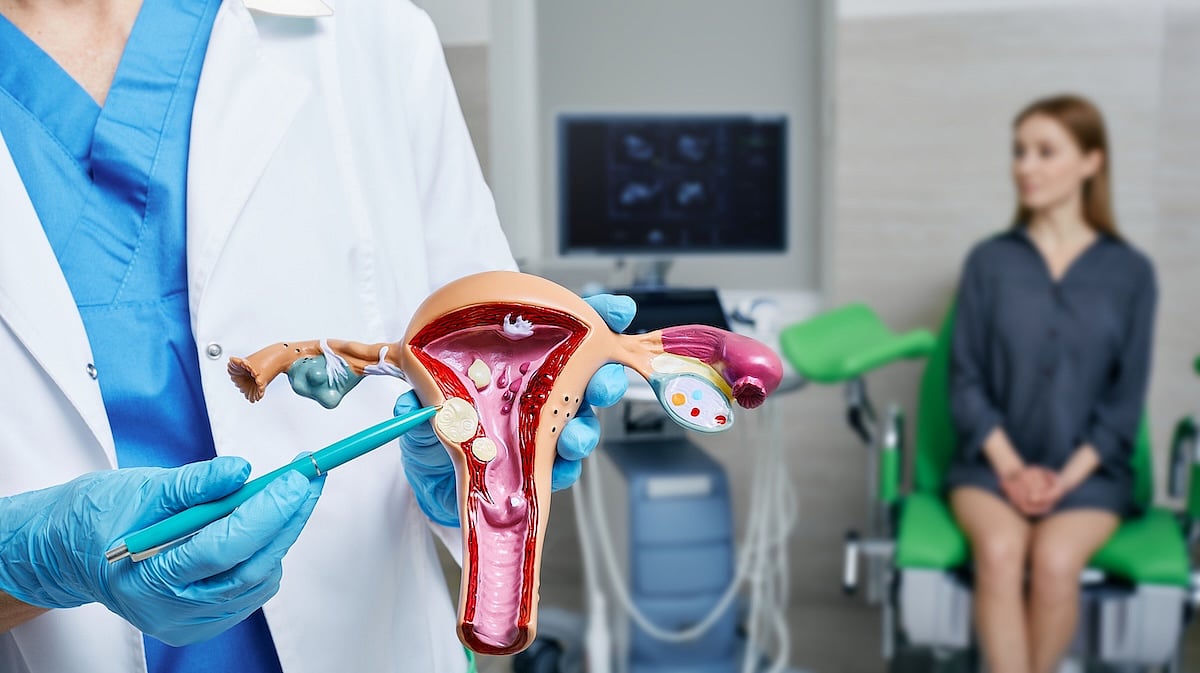
Fibroids are non-cancerous growths that develop in the muscle tissue of the uterus, researchers said in background notes.
As many as 20% -- and possibly up to 80% -- of women will develop fibroids by their 50th birthday, researchers said.
“Nearly 26 million pre-menopausal women in the U.S. are impacted by uterine fibroids and many do not experience any symptoms,” DiTosto said in a news release. “Yet despite the high prevalence, fibroids are understudied and poorly understood.”
Symptoms can include heavy and prolonged periods, bleeding between periods, as well as pelvic pain, according to Johns Hopkins Medicine.
For the new study, researchers analyzed data on more than 450,000 women with fibroids, comparing them to 2.2 million women who hadn’t been diagnosed with fibroids. The data was gathered between 2000 and 2022.
The team sought to find if women with fibroids had an increased risk of heart disease, stroke or peripheral artery disease.
After a decade, about 5.4% of women with fibroids had experienced a heart attack, stroke or other heart-related emergency, compared to 3% of women without fibroids, results showed.
Overall, women with fibroids had an 81% increased risk of heart disease over 10 years, researchers said.
Women younger than 40 had the highest heart risk associated with fibroids. They were 3.5 times more likely to develop heart disease compared to those without fibroids, the study found.
“The strength of the relationship between heart disease risk and uterine fibroids was striking,” DiTosto said. “However, it's important to note that more research is needed to confirm these findings in other populations before formal changes are made to cardiovascular risk assessment guidelines.”
There are some solid potential reasons why fibroids might be linked to heart health, she said.
“Some studies have shown that fibroids and cardiovascular disease share biological pathways, including the growth of smooth muscle cells, the excessive buildup of fibrous connective tissue, calcification and inflammatory responses,” DiTosto said.
Dr. Stacey Rosen, volunteer president of the American Heart Association, reacted to the findings.
"This study highlights yet another aspect in the unique factors that impact women in regard to the leading cause of death among them -- cardiovascular disease,” she said in a news release.
“It also is an opportunity to recognize the very important role all of a woman’s health care clinicians can play in her overall health, including heart health,” added Rosen, who was not involved in the research. “Because many women may use annual ‘well-woman’ visits to their gynecologist or their general practitioner as their primary point of care, these visits offer exceptional opportunities that go beyond gynecologic health."
More information
Johns Hopkins Medicine has more on uterine fibroids.
SOURCE: American Heart Association, news release, Dec. 10, 2025
