- Posted January 8, 2026
New U.S. Diet Guidelines Push Whole Foods, Meat and Dairy
The federal government has released new dietary guidelines that shift how Americans are urged to eat.
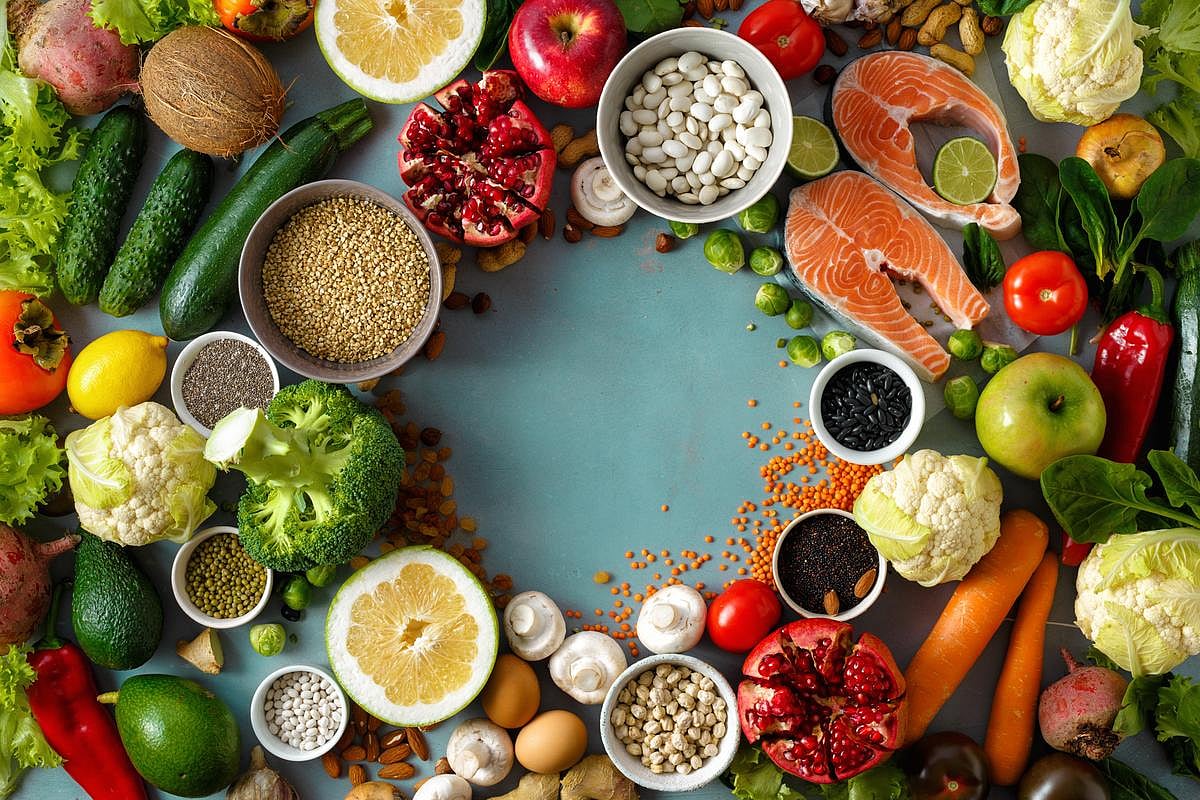
The new focus? Whole foods, protein and healthy fats.
At a news conference Wednesday, U.S. Health Secretary Robert F. Kennedy Jr. introduced a new food pyramid.
At the top: Red meat, cheese, fruits and vegetables, suggesting a move away from earlier advice that discouraged saturated fats. Along with the new pyramid, the U.S. reversed its position on alcohol use.
Kennedy called the dietary update the biggest change to U.S. nutrition policy in decades.
"Protein and healthy fats are essential and were wrongly discouraged in prior dietary guidelines," he said. "We are ending the war on saturated fats."
The new guidance includes limits on added sugar and urges Americans to eat fewer highly processed foods.
More than 70% of U.S. adults are overweight or obese, Kennedy and Agriculture Secretary Brooke Rollins pointed out, blaming diets high in processed foods and low physical activity.
"This approach can change the health trajectory for so many Americans," they stated.
Along with the new pyramid, health officials dropped long-standing advice to limit alcohol to no more than one drink a day for women and two for men -- a major shift in federal messaging. During the Biden administration, the U.S. surgeon general pushed for adding cancer warnings to alcohol products, The Washington Post reported.
Dr. Mehmet Oz, administrator of the Centers for Medicare & Medicaid Services, said during the news conference that people should drink judiciously.
"There’s probably nothing healthier than having a good time with friends," he said, describing alcohol as a "social lubricant that brings people together."
The guidelines say pregnant women, those in recovery from alcohol use disorder and people on some medications should avoid it altogether.
Not all nutrition experts agree with the government’s new recommendations on food and drink, however.
"I'm very disappointed in the new pyramid that features red meat and saturated fat sources at the very top, as if that's something to prioritize. It does go against decades and decades of evidence and research," Christopher Gardner, a Stanford University researcher who previously served on a federal dietary advisory committee, told NPR.
Others were more supportive, especially of the focus on eating fewer ultra-processed foods.
"The American Heart Association welcomes the new dietary guidelines and commends the inclusion of several important science-based recommendations, notably the emphasis on increasing intake of vegetables, fruits and whole grains while limiting consumption of added sugars, refined grains, highly processed foods, saturated fats and sugary drinks," a spokesperson for the group said.
The organization did, however, express some reservations.
"For example, we are concerned that recommendations regarding salt seasoning and red meat consumption could inadvertently lead consumers to exceed recommended limits for sodium and saturated fats, which are primary drivers of cardiovascular disease," the group said in a statement.
"While the guidelines highlight whole-fat dairy, the Heart Association encourages consumption of low-fat and fat-free dairy products, which can be beneficial to heart health," it added.
While many Americans may never read the dietary guidelines, they still shape daily life. The rules help decide what’s served in school lunches, on military bases and in federal nutrition programs for women and children.
"The new Dietary Guidelines for Americans (DGAs) are an opportunity to clearly explain to parents what a healthy diet for their children should look like; rich in whole, nutrient-dense foods, and low in added sugars and refined carbohydrates," Dr. Andrew Racine, president-elect of the American Academy of Pediatrics, said.
"Pediatricians also see the consequences of the current food environment, where access to nutritious food is often unavailable or unaffordable and highly processed foods fill the void. Those consequences are demonstrated in unacceptably high rates of childhood obesity, overweight, diabetes and other health challenges," he said. "Our children deserve better."
More information
Read the updated dietary guidelines here.
SOURCES: NPR, Jan. 7, 2026; The Washington Post, Jan. 8, 2026
